



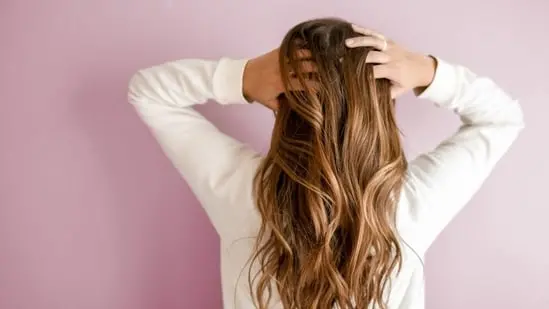
Summer is harsh and overwhelming. When you step outside, the brutal sun falls directly on your scalp, leaving it feeling sticky, itchy, and uncomfortable. Constant sweating can make the scalp feel heavy, while dandruff and excess oil buildup only add to the trouble.
ALSO READ: Face looking dull or tired? Bengaluru dermatologist shares tips to keep skin radiant: ‘Eat low-salt diet like…’
We asked Dr Gaurav Garg, founder and director of Dermalife Skin and Hair Clinic, New Delhi, how one can manage an oily, itchy scalp during summer and prevent common seasonal scalp problems like dandruff and excess buildup. He observed that scalp-related problems in summer are very common.
Why does your scalp itch in summer?
How does itchy scalp come to be? It is a common struggle during summer, and environmental factors ranging from humidity to high temperatures all contribute to scalp itchiness.
“From little pockets in your scalp, oil flows out naturally to protect skin and strands alike. Heat turns up- Those spots start working faster. Moisture seeps through pores at the same time, mixing with floating dirt particles. Layers build slowly over the surface of the head. That mix leaves hair feeling heavy, traps debris in pores, brings discomfort,” the dermatologist described why your scalp may feel weighed down, and your hair may become incredibly greasy.
Dr Garg also mentioned that moist air adds to the trouble by allowing fungus to spread quietly beneath the surface. This is often followed by itchiness and flakes that mimic dandruff.
What should you do to prevent?

Here are some of the tips from the dermatologist on how to prevent scalp-related problems during summer:
1. Prioritise scalp hygiene
- Use gentle shampoo two or three days each week to remove excess oil, sweat, salt and dirt buildup from the scalp.
2. Avoid heavy styling products
- Skip thick goops or greasy lotions meant for shaping hair - those tend to pile up faster when it's warm.
3. Avoid tying damp hair too tightly
- When strands are damp or slick with perspiration, pulling them back too tightly might cause discomfort and create conditions that worsen irritation beneath the surface.
4. Do not leave sweat sitting on the scalp for long
- After excessive sweating, lightly rinse the scalp or allow it to air dry properly to reduce moisture buildup and potential fungal growth.
5. Protect your scalp from direct sun exposure
- Wearing a cap, scarf or cloth covering outdoors can help shield the scalp from harsh sunlight and heat.
6. Stay hydrated and maintain a diet
Proper hydration helps regulate the body and may support overall scalp health. Eat nutritious food as well.
Lastly, the doctor advised keeping an eye out for persistent irritation, redness, or heavy scaling. If these symptoms appear, one should consult a doctor to prevent the condition from worsening.
Note to readers: This article is for informational purposes only and not a substitute for professional medical advice. Always seek the advice of your doctor with any questions about a medical condition.