



Every once in a while, a piece of technology arrives that doesn't just improve on what came before—it completely rewrites the rules of human existence. These aren't just gadgets; they are the architectural pillars of modern society. They altered our daily routines, birthed entirely new industries, and redefined the boundaries of how we communicate, build, and navigate our world.
Looking back through the lens of history, these are the seven most iconic tech products that permanently transformed the fabric of life and work
1. The Personal Desktop Computer
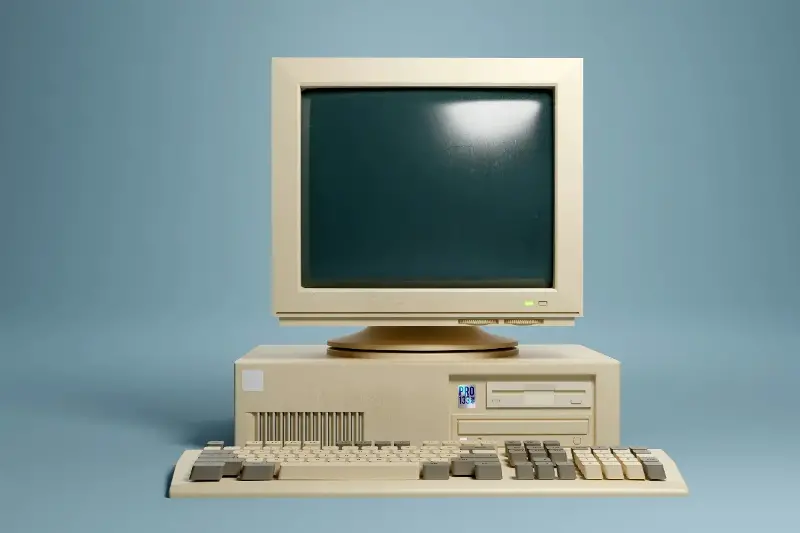
Before the early 1980s, computers were massive, room-sized monoliths locked inside university basements and corporate headquarters. The average professional had zero direct contact with raw computing power.
The introduction of a standardized, mass-produced personal desktop computer changed everything. By bringing a microcomputer directly onto an office desk—and eventually into the living room—it democratized data processing. Suddenly, spreadsheets replaced physical ledgers, word processors rendered typewriters obsolete, and individuals held the keys to automated productivity. It was the crucial spark that shifted our economy from industrial to digital
2. The Pocket-Sized Portable Cassette Player
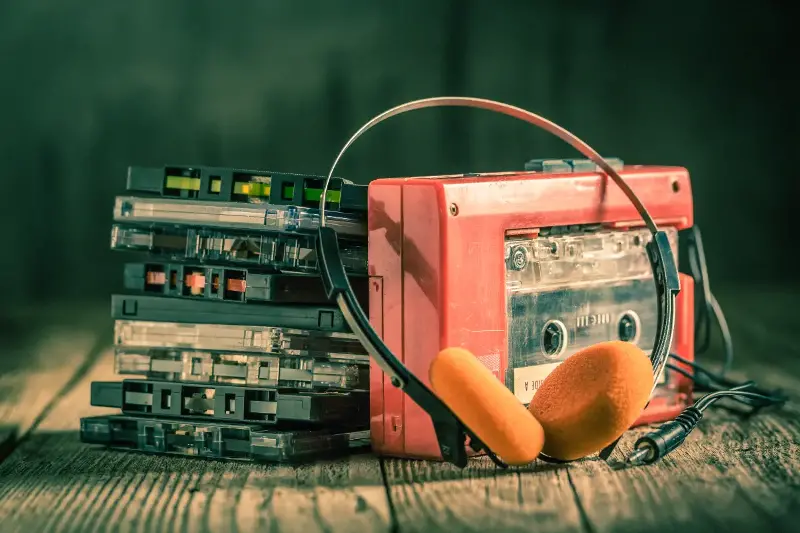
In the late 1970s, listening to recorded music was a static, shared experience. You sat in a room with a stereo system, or you listened to whatever a local radio DJ chose to broadcast.
The pocket-sized portable cassette player introduced the world to the concept of a personal soundtrack. By pairing a lightweight, belt-clip media player with foam headphones, it allowed people to detach from their surroundings and take their favorite albums into the streets, onto subways, and across running trails. This single product shifted audio consumption from a collective activity to an intimate, highly customized background to daily life, paving the way for every MP3 player and audio streaming service that followed.
3. The Modern Touchscreen Smartphone

While mobile phones and wireless internet existed independently prior to 2007, they lived in separate, clumsy silos. Early mobile web browsers were nearly unusable, and phones were dominated by physical plastic keyboards.
The arrival of the all-glass, multi-touch capacitive smartphone completely rewired human behavior. By blending an internet communicator, an iPod-like media player, and a phone into a single interface controlled entirely by natural finger gestures, it made the internet an ambient, persistent layer of reality. It didn't just change how we call or text; it fundamentally birthed the app economy, transformed global commerce, and turned the entire world into a mobile office.
4. The Handheld GPS Receiver

Before satellite navigation trickled down into commercial consumer products, navigating the earth required paper maps, compasses, local landmarks, and a heavy dose of luck.
When rugged, handheld Global Positioning System (GPS) units first hit the civilian market, they unlocked the planet. Originally a strictly military utility, consumer GPS receivers translated invisible satellite signals into precise coordinates on a tiny monochrome screen. Today, that core tracking technology is deeply embedded in everything from aviation and deep-sea shipping to your morning rideshare app and local food delivery tracking. It completely eliminated the fear of getting lost.
5. The Electronic Ink E-Reader
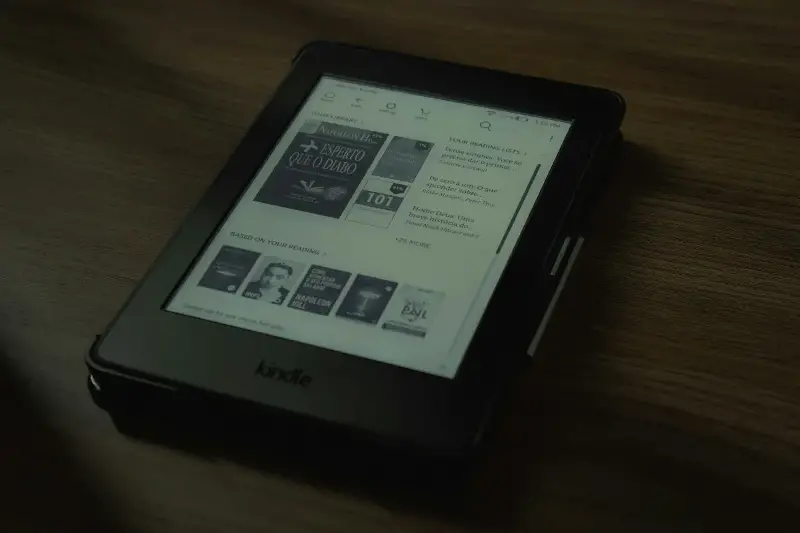
For centuries, accessing a new book meant traveling to a physical bookstore, visiting a library, or waiting days for a parcel to arrive. Carrying an entire library with you on a long journey was a logistical nightmare.
The dedicated electronic ink e-reader fundamentally disrupted the publishing ecosystem and reading habits worldwide. Utilizing a revolutionary screen tech that mimicked the reflective properties of real paper—rather than the harsh backlighting of a computer monitor—it allowed avid readers to download virtually any book in under sixty seconds over a built-in cellular connection. It proved that digital media could successfully preserve the comfort of a physical medium while introducing infinite scale.
6. The Wi-Fi Router
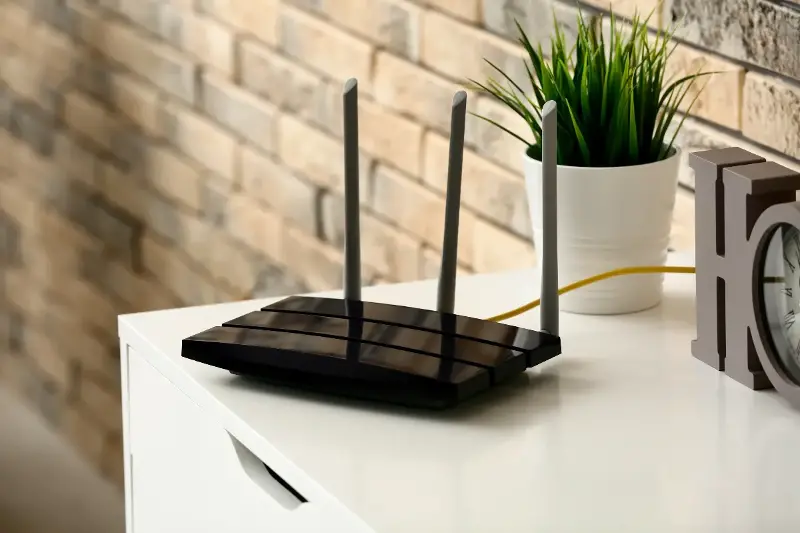
We often focus heavily on the devices we can see and hold, but the quiet liberation of our workspace happened via radio waves. In the early days of the internet, being "online" meant being physically anchored to a desk by a thick ethernet cable or a dial-up telephone line.
The consumer Wi-Fi router cut the umbilical cord of the internet. By broadcasting a local, wireless internet bubble throughout homes and offices, it transformed the very layout of modern architecture. Desks no longer had to sit next to specific wall outlets. Coffee shops turned into remote workspaces. It decentralized the office environment, laying the foundational groundwork for the flexible, remote-work cultures we take for granted today.
7. The Consumer Drone
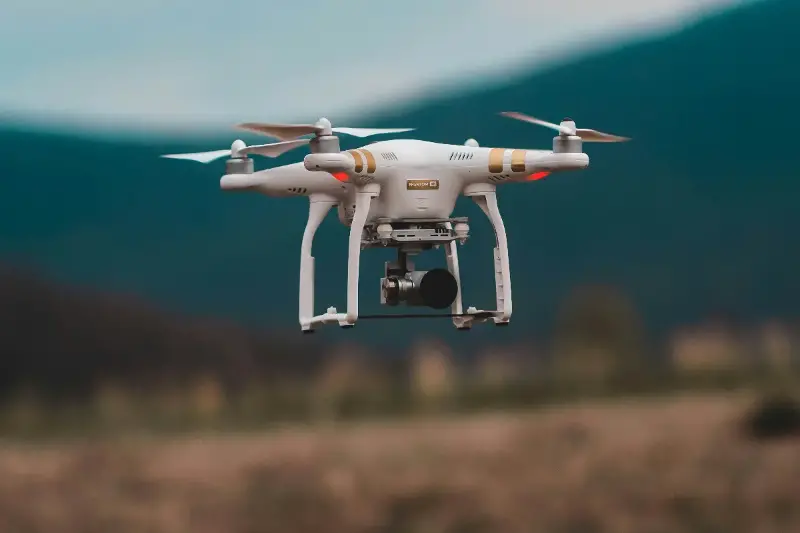
For generations, capturing aerial film footage or conducting low-altitude aerial surveys required an immense budget, a full production crew, and a rented helicopter.
The multi-rotor consumer quadcopter drone completely democratized the sky. By integrating sophisticated internal stabilization algorithms, GPS locks, and high-definition cameras into an affordable, remote-controlled aircraft, it allowed anyone to capture cinema-grade aerial perspectives safely. Beyond photography, these compact flying machines revolutionized industrial inspection, search-and-rescue operations, agricultural monitoring, and logistics—proving that robotics could successfully step out of the factory and into the open air.
The Common Thread: None of these products were merely iterative updates to existing tech. Every single item on this list succeeded because it removed massive physical friction from human intent—whether that intent was to compute, listen, navigate, read, or build.