


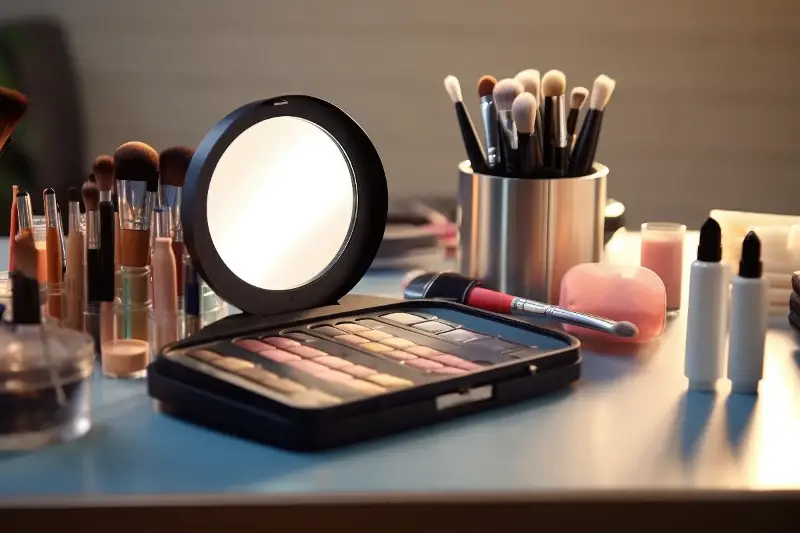
For many people, makeup is so much more than a routine or a touch of color. It is a source of transformation, empowerment, and a secret weapon for moments when confidence needs a little nudge. Whether it’s a swipe of lipstick before a big meeting or a creative look for an evening event, the psychology behind makeup reveals surprising insights about human nature, mindfulness, and the mind-body connection.
The Evolution of Makeup: From Ritual to Self-Expression
Makeup has been part of human culture for thousands of years. In ancient Egypt, kohl was applied for both protection and spiritual significance. Across eras, cosmetics marked milestones, distinguished identity, and celebrated individual style. Over time, its meaning has evolved from cultural expectation into a dynamic art form.
Today, applying makeup is framed as a personal choice and a form of creative agency. Controlling how we present ourselves to the world ignites a significant shift in our mindset:
- Creative control: Designing your outer look reinforces personal autonomy.
- Role preparation: The application process signals to the brain that you are stepping into a focused, ready state.
- Identity celebration: Colors and textures allow individuals to showcase their inner personality outwardly.
The Science of Enclothed Cognition
Psychologists use the term enclothed cognition to describe how physical items—including clothing and cosmetics—influence our mental state. Engaging in a beauty ritual creates a psychological shift:
- Self-esteem boost: Research shows that wearing makeup can heighten self-assurance during challenging tasks.
- The placebo effect: Believing you look polished directly influences how assertively you act.
- Universal impact: Grooming products, from concealers to brow gels, trigger positive social feedback and heightened confidence across all genders.
When we feel more put together, our brains reward us with a natural surge of self-assurance.
Face Perception and First Impressions
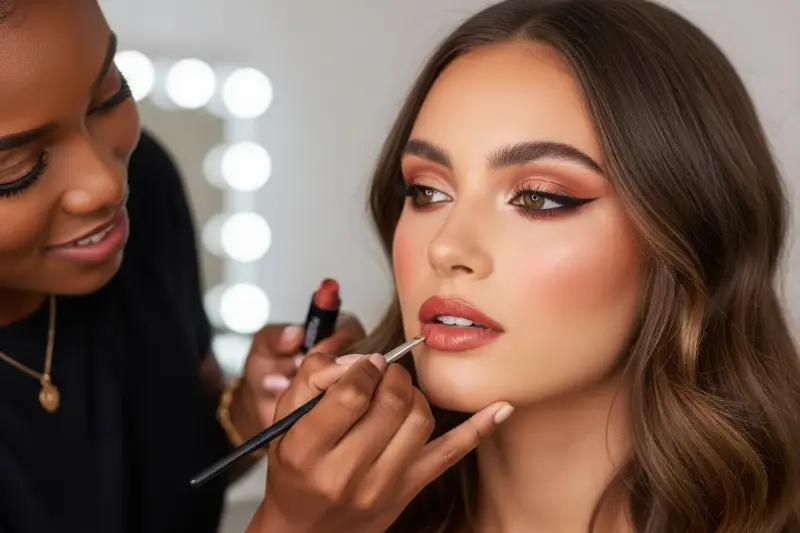
A fascinating aspect of makeup is how it alters facial perception. Humans naturally make snap judgments based on facial cues, often within milliseconds. Makeup subtly influences these initial interactions:
- Bold accents: Darker tones or defined brows can signal assertiveness, energy, and leadership.
- Soft hues: Warm, neutral shades often convey approachability, warmth, and ease.
- Symmetry and focus: Highlighting key features creates visual balance, which the human brain associates with competence and reliability.
When you sense that others are responding to you warmly and positively, your internal confidence rises—creating an uplifting feedback loop.
Makeup Rituals as Mindful Self-Care
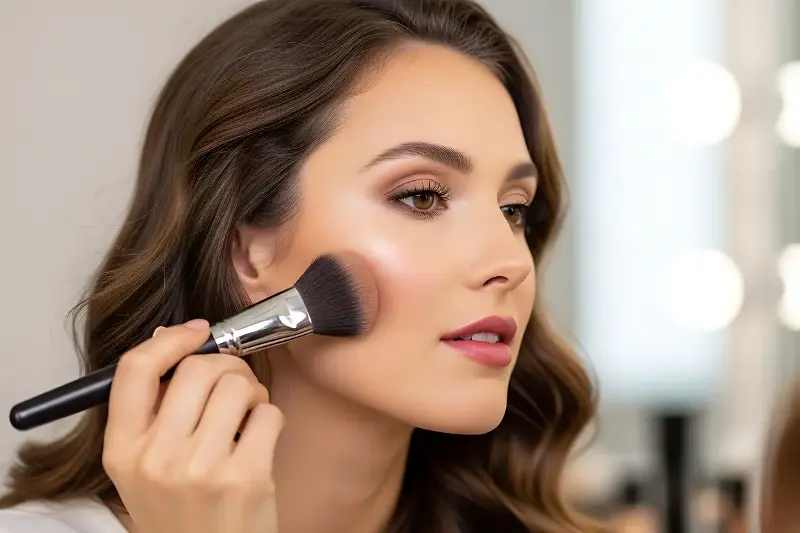
The physical act of applying makeup can be as therapeutic as the final look itself. Selecting colors, blending textures, and focusing on precise brushstrokes creates a peaceful sense of structure and control:
- Anchoring in the present: Like meditation, focusing on fine motor details draws attention away from daily stressors.
- Dedicated quiet time: Taking fifteen minutes for yourself fosters daily self-compassion.
- Neuroscientific benefit: Simple, intentional daily rituals lower stress hormones and cultivate emotional stability.
This quiet, mindful process explains why many maintain their beauty routines even when staying home—the process itself provides psychological comfort and joy.
Challenging Stereotypes and Embracing Choice
While cosmetics were once dismissed as superficial, current conversations view them as powerful tools for self-expression, creativity, and gender-inclusive empowerment. Social media movements celebrate the freedom to wear—or skip—makeup according to individual preference.
Ultimately, makeup’s psychological effects are most impactful when paired with a healthy foundation of self-worth. Used thoughtfully, cosmetics do not mask who you are; they highlight your unique features, celebrate your individuality, and reflect your inner strength to the world!