




- 1. Watermelon juice detoxifies and aids digestion.
- 2. Coconut water rehydrates and balances electrolytes.
- 3. Lemon water cools the body, relieves fatigue, and boosts immunity.
1. Watermelon juice detoxifies and aids digestion.
Watermelon is on the list of top cooling fruits thanks to its high water content of up to 91% and important nutrients such as vitamins A, C, and magnesium.
Thanks to its high water content, watermelon acts as a natural diuretic, promoting urine production to flush waste and toxins out of the body. Additionally, the combination of water and fiber in this fruit helps prevent constipation.
Watermelon's abundant vitamin C has antioxidant properties that help boost the body's immunity during hot weather.
Lycopene, one of the carotenoids found abundantly in watermelon, has strong antioxidant properties, helping to protect blood vessel walls from damage and reduce arterial stiffness, a factor associated with cardiovascular disease and hypertension.

Watermelon juice detoxifies and aids digestion.
Instructions: Take 300g of watermelon (remove most of the seeds, cut into small pieces), put it in a juicer to extract the juice (or use a blender to blend until smooth). Pour the watermelon juice into a glass, add some ice, and drink immediately to enjoy the naturally sweet and refreshing taste.
Note: Watermelon is considered "cold" in nature, so people with poor digestion, frequent stomach aches, diarrhea, digestive disorders, or colds should avoid eating it. People with diabetes should limit their consumption of watermelon juice and instead eat whole watermelons to take advantage of the fiber.

2. Coconut water rehydrates and balances electrolytes.
Coconut water is considered an ideal natural "mineral water" for summer, a perfect alternative to sugary soft drinks.
According to nutrition experts, coconut water is rich in minerals such as potassium, sodium, calcium, magnesium, selenium, copper, and zinc, and its composition is similar to that of fluid in cells. The high potassium content helps balance electrolytes, optimizing the function of the circulatory, nervous, and immune systems.
During hot weather, high-intensity exercise , or dehydration due to fever or diarrhea, drinking coconut water helps the body rehydrate and recover effectively.
Instructions: Cut open a coconut and pour the fresh, pure coconut water into a glass. Grate some young coconut flesh and add it to the glass for added flavor. Drink directly or chill in the refrigerator before serving.
Note: Because fresh coconut water spoils easily, it's best to drink it immediately after opening. Once opened, it should be refrigerated and consumed within the same day.
The amount of coconut water needed each day depends on age, health condition, activity level, and other accompanying factors. Healthy individuals can drink 1-2 cups per day. People with diabetes, high blood potassium levels, kidney failure, or electrolyte imbalances should consult their doctor before drinking coconut water.
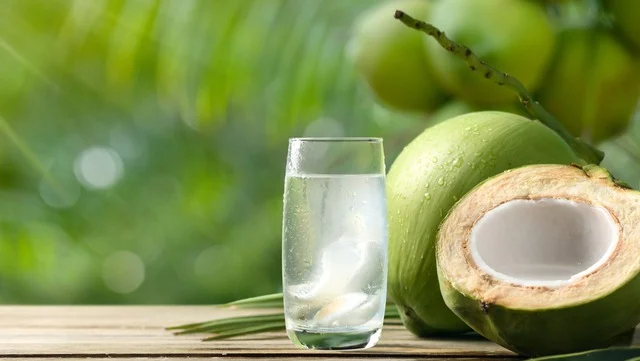
Coconut water helps rehydrate and balance electrolytes during hot weather.
3. Lemon water cools the body, reduces fatigue, and boosts immunity.
The high vitamin C content in lemons helps boost immunity and aids in iron absorption.
A single lemon contains up to 49% of the daily vitamin C requirement, and citric acid , a type of acid found naturally in citrus fruits like lemons, has been shown to increase urine output and help prevent kidney stones.
Studies also show that citric acid helps reduce inflammation in the body, supports blood sugar regulation, and improves energy levels. Therefore, drinking lemon water can effectively reduce physical fatigue, especially in hot weather.
Instructions: Wash one small, fresh lemon thoroughly; organically grown lemons are best. Use a grater to grate some of the lemon peel (lemon peel is rich in antioxidants).
Squeeze the lemon juice and mix it with 250 ml of water and 1 teaspoon of pure honey to soften the slightly spicy taste of the lemon peel. Add the grated lemon peel to the glass and stir well.
Note: It is recommended to use a straw when drinking lemonade to avoid direct contact of the acid with your teeth, which can erode tooth enamel. People with stomach problems or reflux should be cautious and absolutely avoid drinking it on an empty stomach; it is best to drink it about 30 minutes after a meal.